

Obstacle
Avoidance Radar

Using a gantry crane—while extremely useful in heavy lifting and industrial environments—comes with several potential problems and hazards if not properly managed. These issues fall into mechanical, operational, safety, and environmental categories.

Common Problems When Using Gantry Cranes

Crushing or Impact Injuries

  • Moving Crane: The person may be struck or crushed by the crane itself or its trolley.
  • Pinch Points: Hands, feet, or limbs can get caught between crane components or nearby structures.

Reduced Operator Visibility

  • The crane operator may not see the person below or near the load.
  • This is especially risky in large or obstructed environments.

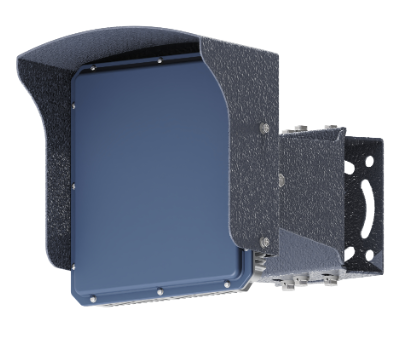
The Obstacle Avoidance radar is a highly integrated 4D millimeter-wave radar.
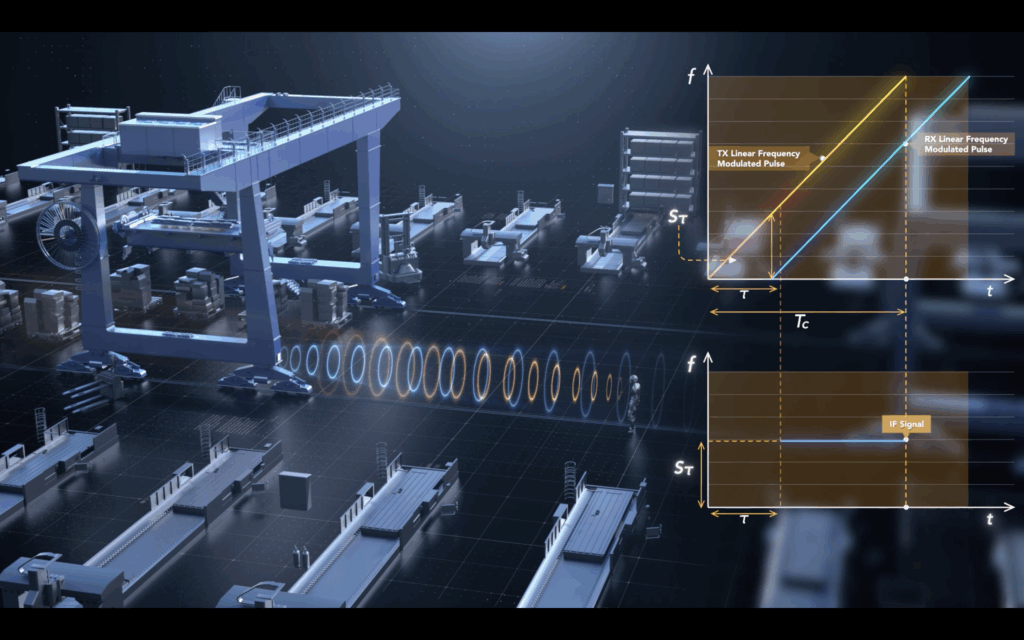
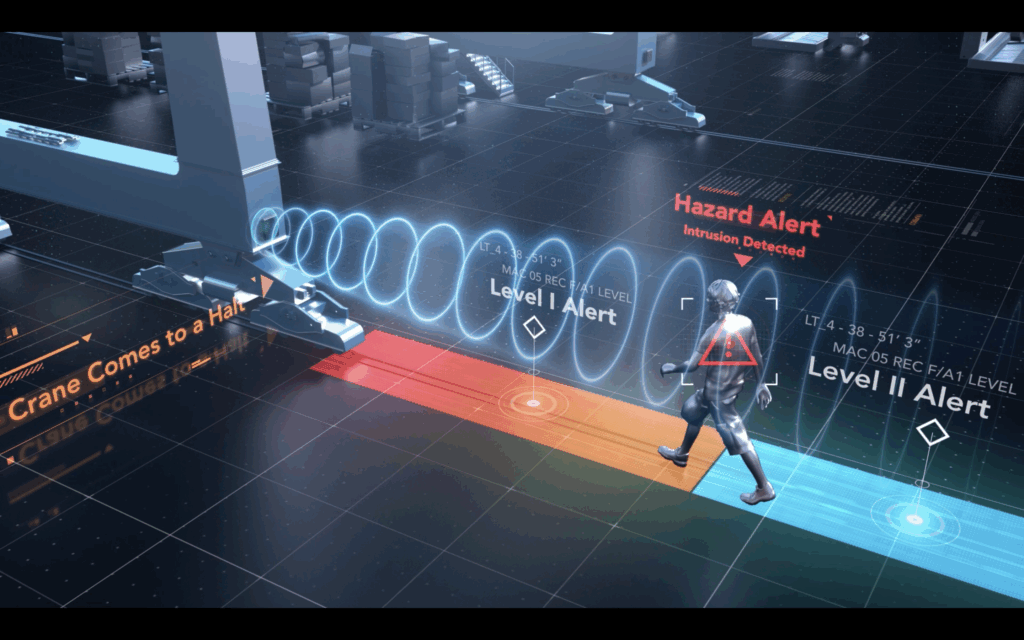
During the operation of the Gantry Crane, static or dynamic obstacles are detected within the radar beam range, and real-time detection is performed to determine whether there are obstacles in the detection area.

Advanced Detection & Tracking
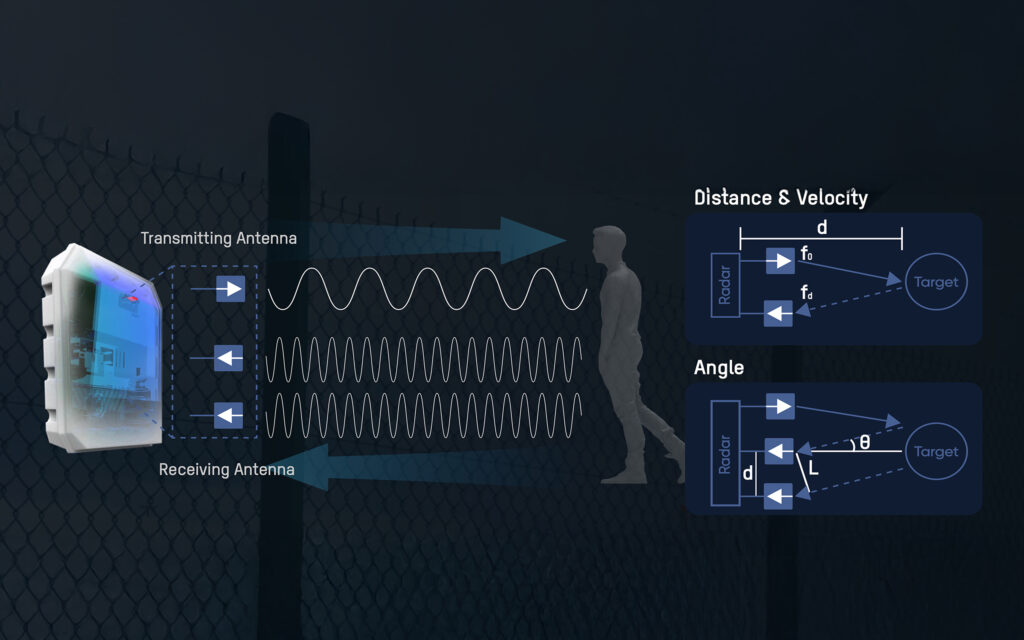
Utilizes MIMO and FMCW radar to detect moving and stationary objects. Accurately measures speed (from -120 km/h to +120 km/h), direction, and distance with ±0.13m precision.
Customizable Alarming System
Equipped with two relay signal outputs. Detection area and alarm levels can be configured to control relay responses.
Detection Range & Field of View
Covers up to 30 meters. Field of view: Horizontal ±60°, Vertical ±30°. Angle resolution: 2.3° (H), 3.6° (V).
Power Supply & Consumption
Operates on 12V–26V DC. Power consumption: average 10W, max 18W.
Extreme Operating Conditions
Reliable performance in temperatures from -40°C to +85°C, ideal for harsh industrial or outdoor environments.
Durable & Protected
Designed with IP67 waterproof and dustproof rating for tough working conditions.

Laser
Beam Barriers

Using steel barriers—while effective for safety, traffic control, or site security—can come with several problems or drawbacks, especially if not chosen, installed, or maintained properly. These issues fall under safety, operational, structural, and environmental concerns.

Risk of Injury to Workers

    Steel barriers are rigid and unforgiving. In the event of a person accidentally walking or falling into one, they may suffer bruises or fractures. In high-traffic pedestrian areas, steel barriers are considered too aggressive unless well-padded or clearly marked.

Trip and Visibility Hazards

    Low-mounted steel barriers may create tripping hazards if not brightly painted or marked. In dimly lit or cluttered areas, workers may not see the barriers clearly, increasing accident risk.
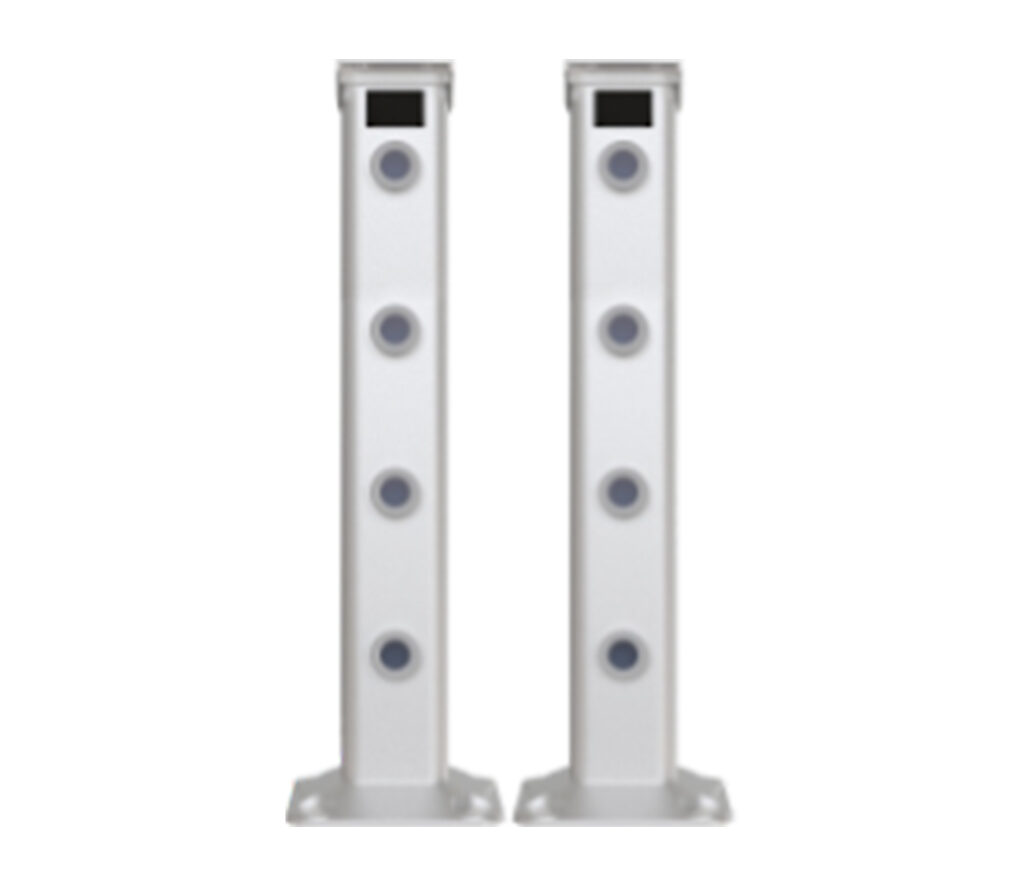
Using laser beam barriers instead of steel barriers in industrial or plant environments offers several modern, flexible, and safety-focused benefits—especially in areas where physical barriers may pose limitations.
Detection Method & Optics
Uses block 1 beam / 2-beam / multi-beam detection. Equipped with a 60mm high-permeability focusing lens. Beam spacing: 15cm.
Laser & Transmission Specs
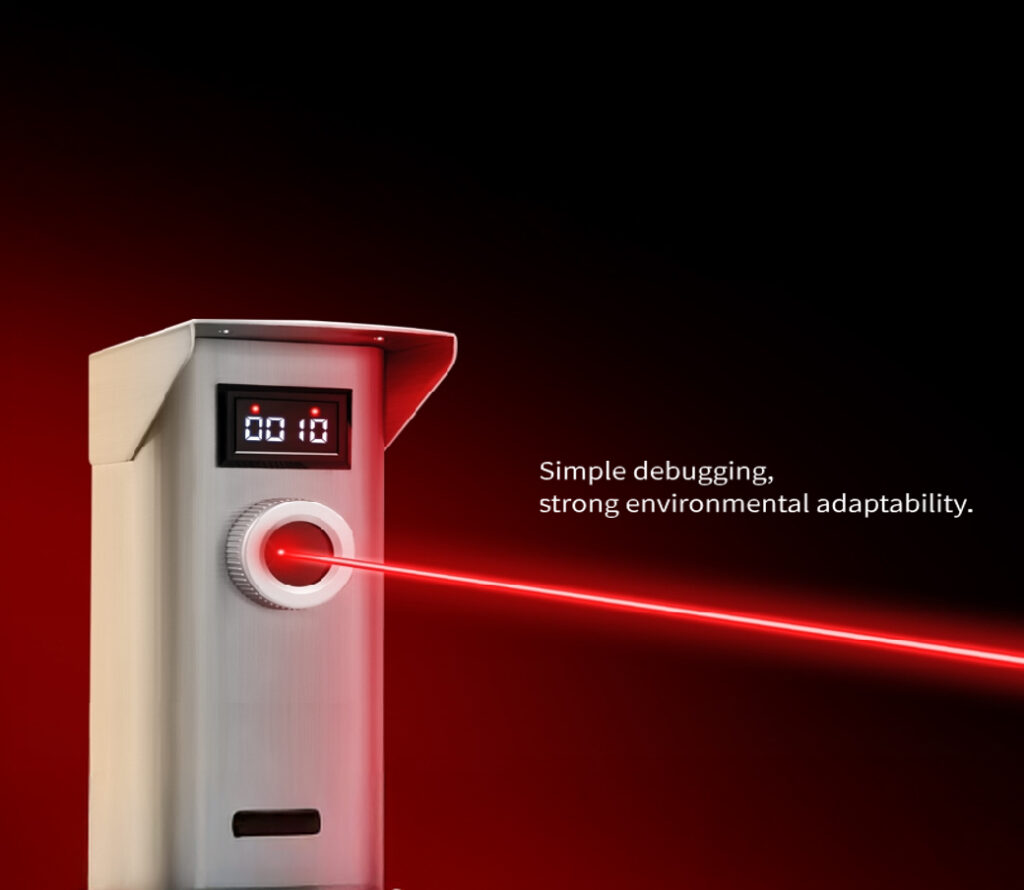
Default laser wavelength: 980nm (optional: 605nm, 808nm). Transmission angle: <3′, Receiver angle: >10°.
Outdoor Range & Accuracy
Maximum detection distance: up to 1000 meters in outdoor conditions.
Power & Output

Supports DC 9–30V and AC 8–24V. Includes NC/NO relay dry contact output.

Build & Reliability
Durable aluminum cover, MTBF >150,000 hours, designed for long-term industrial use.
Environmental Protection
Rated IP65. Operating temperature: -25℃ to +70℃.

Key Features

Intelligent frequencies technology,
one beam one frequency

Aluminum alloy housing,
firm as a rock

Imported Laser Tube.
MTBF150000 Hours

User able to set the alarm mode
and interruption time
Wide Voltage,
Support 1CH relay Output

IP65 100% Sealed,
High Level: IP65